
A New Front Door Can Make a Lasting Impression On Your Home
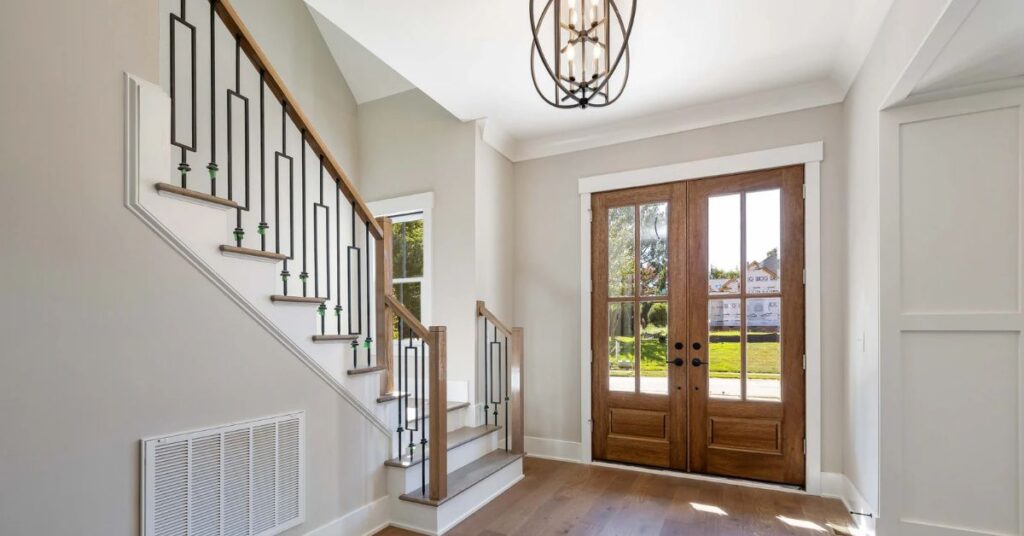
A new front door can dramatically improve your home’s appearance while providing practical benefits such as better security, improved energy efficiency, and increased everyday comfort. As one of the most noticeable features of a home’s exterior, the front door helps establish its character and creates the first impression visitors receive. Replacing an outdated, damaged, or unattractive entry door is a relatively straightforward way to refresh your home’s appearance without undertaking a larger exterior renovation.
The Top Features of an Energy-Efficient Front Door
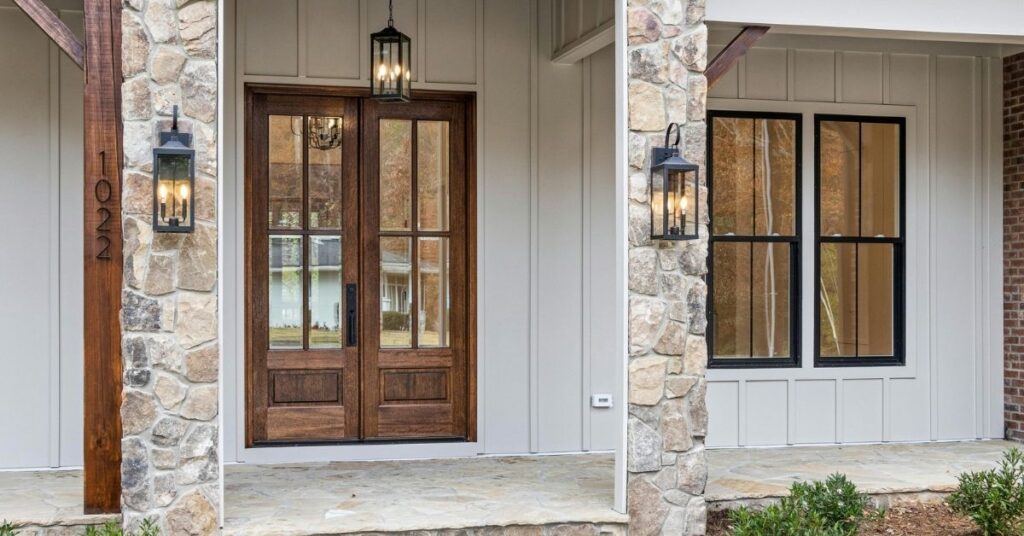
An exterior door does much more than provide access to your home. It also serves as an important barrier against outdoor temperatures, drafts, moisture, and air leaks that can affect year-round comfort and energy efficiency. If your current front door is old, damaged, or poorly insulated, it could be allowing conditioned air to escape while forcing your HVAC system to work harder. Understanding the top features of an energy-efficient front door can help you make a smarter investment when it’s time for a replacement.
What To Expect During a Front Door Replacement Project
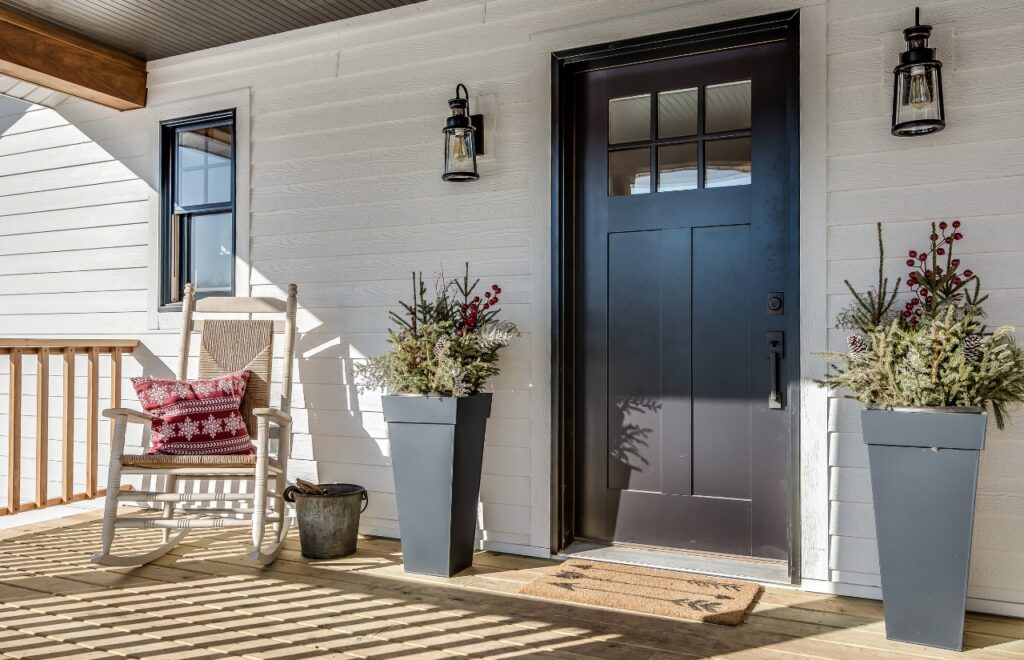
A front door replacement project typically involves removing the existing door, preparing the opening, installing a new door system, and ensuring proper sealing and alignment for long-term performance. While the process is usually completed within a day, the quality of installation plays a major role in energy efficiency, security, and durability. For homeowners in Georgia and North Florida, understanding what to expect helps reduce uncertainty and ensures the project is completed correctly. This guide explains each stage of a front door replacement and what homeowners should prepare for before, during, and after installation.
Professional Door Installation Impacts Energy Efficiency and Security
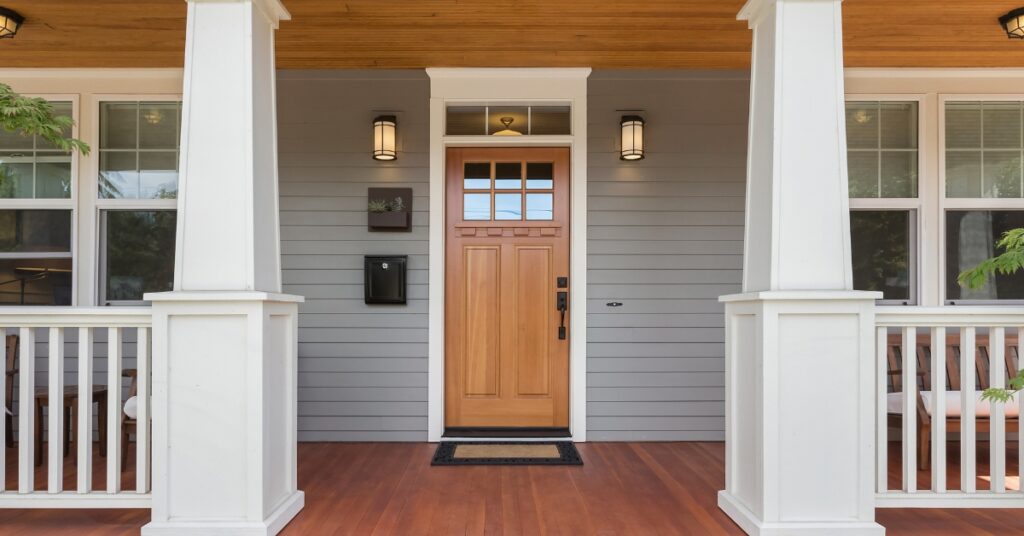
A front door is more than a slab of fiberglass, steel, or wood – it is a complete system that includes the frame, threshold, weatherstripping, hardware, and anchoring points. If any of these components are installed incorrectly, the entire system can underperform. Even a high-quality door will lose efficiency and compromise security if it is not square, level, and properly sealed.