
Old or Damaged Gutters Can Become a Safety Hazard
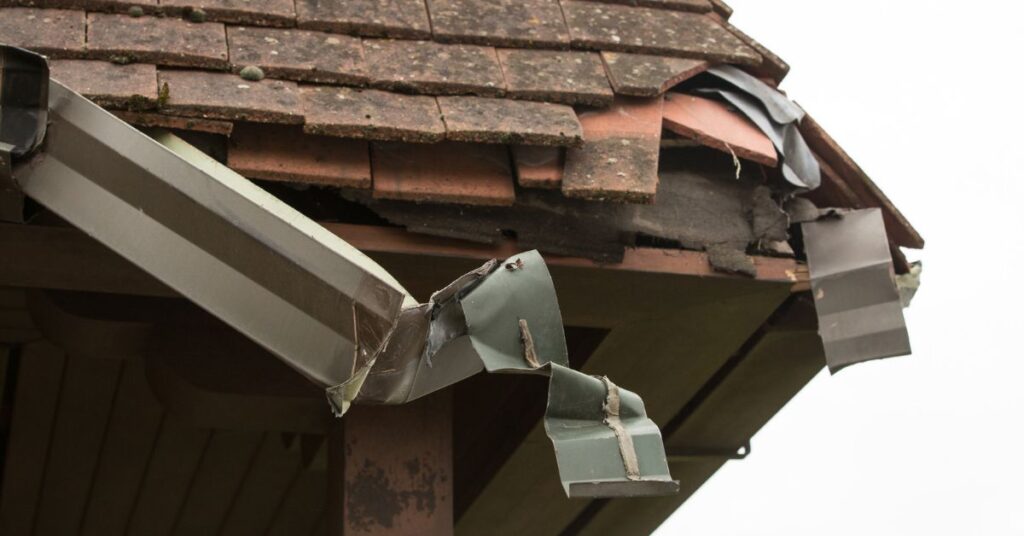
Table of Contents
Old or damaged gutters can create safety hazards when they become loose, detach from the roofline, or fail to direct rainwater away from the home. Although gutters are primarily designed to protect a property’s exterior from water damage, deteriorating gutter systems can also create risks around walkways, entrances, foundations, and other frequently used areas.
For homeowners throughout Georgia and North Florida, heavy rainfall and seasonal storms can make these problems particularly concerning. Understanding how damaged gutters affect your property can help you recognize when gutter replacement is necessary.
Why Aging Gutters Can Become a Safety Concern
Gutters are designed to collect rainwater from the roof and channel it through downspouts to designated drainage areas. When properly installed and functioning, they help prevent excessive runoff from collecting around the home.
However, gutters experience years of exposure to sunlight, moisture, temperature changes, and severe weather. Over time, materials can deteriorate, mounting hardware can loosen, and sections may begin to sag or separate from the roofline.
These problems can affect more than drainage. A failing gutter system may create hazards for people walking around the property while increasing the risk of damage to surrounding structures.
6 Safety Hazards Associated With Old or Damaged Gutters
Damaged gutters can create several problems that homeowners may not immediately recognize as safety concerns. Some hazards develop gradually, while others become more noticeable during heavy rainfall or severe weather.
1. Loose Gutters Can Fall From the Roofline
Gutters depend on mounting hardware and structurally sound fascia boards to remain securely attached to the home. As these components deteriorate, sections of the gutter system may begin pulling away from the roofline.
Loose gutters can become particularly dangerous when filled with rainwater or exposed to strong winds. If a section detaches, falling metal, fasteners, and other materials could injure someone standing below or damage nearby property.
2. Overflowing Gutters Can Create Slippery Walkways
When gutters are damaged, improperly sloped, or unable to handle rainwater effectively, water may spill over the edges instead of flowing toward the downspouts.
This runoff can collect on sidewalks, patios, stairs, and entryways. Repeated moisture exposure may also encourage algae growth on certain surfaces, increasing the likelihood of slippery conditions. Replacing gutters that consistently fail to manage rainwater can help reduce excessive water accumulation around frequently used areas.
3. Poor Drainage Can Contribute to Foundation Problems
Gutters play an important role in directing rainwater away from a home’s foundation. When the system fails, large amounts of roof runoff may collect directly beside the structure. Over time, excessive moisture can contribute to soil erosion, settlement, and foundation-related concerns. These conditions may eventually affect surrounding walkways, steps, and other exterior surfaces.
A properly designed replacement gutter system helps manage runoff and reduce unnecessary water exposure near the foundation.
4. Damaged Gutters Can Affect Fascia and Roofline Materials
Gutters attach to the fascia along the roof edge. When water repeatedly overflows or leaks behind the gutter system, nearby wood and other exterior materials may experience prolonged moisture exposure.
This can contribute to deterioration of the fascia and supporting components. As these materials weaken, the gutter system may become less secure, increasing the possibility of sagging or detachment. Replacing severely deteriorated gutters can help address drainage problems, although any damaged supporting materials should also be evaluated before the new system is installed.
5. Standing Water Can Encourage Mosquito Activity
Damaged or improperly sloped gutters may retain standing water instead of draining completely. When water remains in these areas long enough, it can create conditions suitable for mosquito breeding.
This is especially relevant in Georgia and North Florida, where warm temperatures and humid conditions support mosquito activity during much of the year. Properly installed gutters should direct water toward downspouts rather than allowing significant amounts to remain trapped in the system.
6. Storms Can Make Existing Gutter Damage Worse
Severe thunderstorms and strong winds can place additional stress on gutter systems that are already deteriorating. Loose sections may shift further, damaged fasteners can fail, and falling branches may cause additional physical damage.
Heavy rainfall can also increase the weight of gutters that are holding standing water or accumulated debris. This additional stress may worsen existing sagging or separation from the roofline. Homeowners should pay attention to visible gutter damage following severe weather, particularly when sections appear loose or uneven.
Warning Signs Your Gutters May Be Unsafe
Gutter problems often develop gradually, making it easy to overlook deterioration until a more serious issue occurs. Fortunately, many warning signs can be identified from the ground without climbing a ladder or accessing the roof.
Common signs of aging or damaged gutters include:
Sagging gutter sections: Gutters that appear uneven or droop between mounting points may have weakened hardware or structural problems.
Gutters pulling away from the house: Visible gaps between the gutters and fascia can indicate loose fasteners or deteriorating supporting materials.
Cracks, holes, or leaking joints: Water escaping through damaged sections can contribute to moisture problems around the home’s exterior.
Rust or corrosion: Significant corrosion can weaken metal gutter materials and eventually lead to leaks or structural failure.
Water overflowing during rainfall: Consistent overflow may indicate that the gutter system is damaged, improperly positioned, or unable to handle the volume of runoff.
Pooling water near the foundation: Water collecting directly beside the home may indicate that gutters and downspouts are not directing runoff effectively.
Repeated gutter separation or damage: A system that continues developing problems in multiple areas may be approaching the end of its useful service life.
Homeowners who notice these conditions should avoid pulling on loose gutter sections or attempting to reposition damaged materials from a ladder.
When Do Damaged Gutters Need to Be Replaced?
Not every gutter problem requires complete replacement. However, when deterioration affects large portions of the system, replacing the gutters may provide a more dependable long-term solution than addressing individual damaged sections. Older gutters may develop multiple weaknesses simultaneously, including corrosion, loose joints, deteriorating mounting hardware, and improper drainage. Even if one problem is corrected, other sections may continue to fail.
The Importance of Replacing Gutters Before They Fail
Waiting until a gutter section detaches or significant water damage occurs can create avoidable risks and expenses. Visible sagging, widespread corrosion, and repeated drainage failures are warning signs that the system may no longer be performing as intended.
Replacing deteriorating gutters before a major failure allows homeowners to address the problem proactively. A new gutter system can restore proper drainage while eliminating hazards associated with severely damaged or unstable components.
Professional Gutter Replacement Helps Restore Safety and Drainage
Replacing an aging gutter system involves more than removing old materials and attaching new sections along the roofline. Proper installation requires accurate measurements, secure mounting, appropriate gutter sizing, and correct positioning to direct rainwater toward the downspouts.
The condition of the fascia and other supporting materials should also be considered. Installing new gutters over deteriorating wood or unstable mounting surfaces can compromise the finished system.
Professional gutter replacement helps ensure the new system is securely installed and designed to manage runoff effectively. This reduces the likelihood of problems associated with loose gutters, uncontrolled overflow, and improper drainage.
Protect Your Home by Replacing Old or Damaged Gutters
Old gutters can become a safety concern when they deteriorate, separate from the roofline, or allow rainwater to collect in unwanted areas. These problems can affect walkways, foundations, fascia boards, and other parts of the property.
Recognizing the warning signs early lets homeowners consider gutter replacement before the existing system fails more seriously.
Why Choose Wallcraft Exterior Solutions
At Wallcraft Exterior Solutions, we provide professional gutter replacement and installation for homeowners throughout Metro Atlanta and North Florida. Our team evaluates aging gutter systems and installs replacements designed to channel rainwater effectively while complementing the home’s exterior.
We understand the challenges that heavy rainfall and seasonal storms create for homes throughout the Southeast. Our focus is on providing properly installed gutter systems that help protect your roofline, siding, foundation, and surrounding property.
FAQ About Damaged Gutters Being a Safety Hazard
Yes. Aging gutters can become dangerous when mounting hardware weakens, sections detach from the roofline, or uncontrolled runoff creates slippery conditions around the property.
Yes. Gutters that are pulling away from the fascia or supported by deteriorating hardware may eventually detach, particularly during heavy rainfall or strong winds.
Yes. Overflowing gutters can cause water to collect on sidewalks, stairs, patios, and other frequently used surfaces. Repeated moisture exposure may also contribute to slippery algae growth.
Gutter replacement should be considered when the system has widespread corrosion, significant sagging, repeated leaks, loose mounting hardware, or persistent drainage problems. A professional evaluation can help determine whether replacement is appropriate.
Yes. Properly designed and installed gutters help direct roof runoff away from the home, reducing excessive water accumulation near the foundation. Effective drainage can help prevent soil erosion and moisture-related problems.