
Gutters Should Effectively Channel Rainwater From Your Home
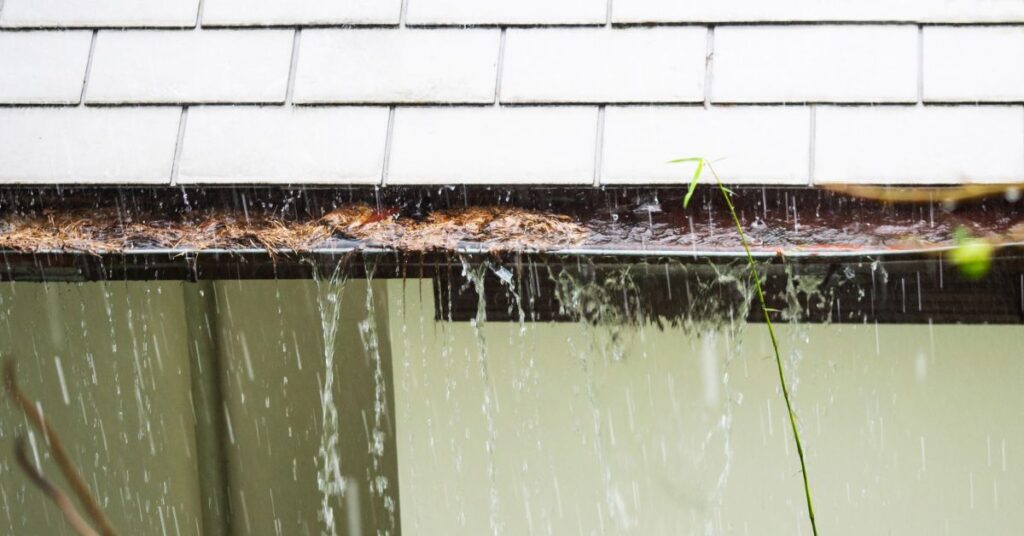
Table of Contents
The primary purpose of your gutters is to collect rainwater from the roof and safely channel it away from your home. A properly functioning gutter system controls where that water travels, helping protect the roofline, siding, landscaping, and foundation from unnecessary moisture exposure. When gutters become damaged, sag, leak, or separate from the home, they may no longer move water where it needs to go. Understanding how gutter drainage should work can help homeowners recognize when an aging system is no longer providing adequate protection.
Why Gutters Need to Move Rainwater Away From Your Home
Every time it rains, your roof collects a substantial amount of water and directs it toward the edges of the home. Gutters capture that runoff and use a slight pitch to move it toward the downspouts, which then discharge the water away from the structure. Each part of the system must work together for this process to work effectively. Simply catching rainwater is not enough. Gutters must continuously move that water away from vulnerable areas of the home where repeated moisture exposure can eventually cause damage.
What Happens When Gutters Cannot Properly Channel Rainwater?
Damaged gutters interrupt the controlled path that rainwater is supposed to follow. Instead of moving from the roof into the gutters, through the downspouts, and away from the house, water may overflow, leak, or drain in the wrong location. These problems can expose several parts of the property to unnecessary moisture and gradually create larger concerns.
Water Can Collect Near the Foundation
Gutters and downspouts help prevent large amounts of roof runoff from being deposited directly alongside the foundation. When gutters overflow, or downspouts fail to move water far enough away, the soil immediately surrounding the house can become repeatedly saturated. Over time, concentrated water can contribute to soil erosion, drainage problems, and unnecessary moisture around the foundation. Proper gutter drainage helps control this runoff and directs it toward a more appropriate discharge area.
Water Can Run Behind the Gutters
Gutters that are loose, sagging, or pulling away from the roofline may allow water to travel behind the system rather than into it. This can repeatedly expose fascia boards, soffits, and other roof-edge components to moisture. The problem may not always be obvious from the ground because some of the water can travel behind exterior materials instead of visibly overflowing. Restoring proper gutter alignment and drainage helps keep water on its intended path.
Overflow Can Affect Your Siding
When gutters cannot handle or properly move rainwater, water may spill over their edges and run down the exterior walls. Repeated exposure can leave stains and continually wet siding, trim, windows, and other exterior components. Splashback from water hitting the ground can create additional moisture exposure near the bottom of the home. A properly functioning gutter system helps minimize the amount of roof runoff that travels directly across exterior surfaces.
Poor Drainage Can Damage Landscaping
Uncontrolled roof runoff can hit landscaping with considerable force, particularly during the heavy downpours common throughout Georgia and North Florida. Concentrated water can wash away mulch, create channels in planting beds, expose roots, and erode soil. It may also leave standing water in low areas of the yard. Properly positioned gutters and downspouts discharge water more deliberately instead of repeatedly dumping it onto landscaping.
Roof Edges Can Be Exposed to Excess Moisture
Gutter problems can also affect components along the roof edge. Clogs, improper pitch, separation, and other drainage problems may allow water to remain where it should be moving away. Repeated moisture exposure can contribute to deterioration of fascia boards and surrounding materials. Keeping gutters securely attached and flowing properly is an important part of managing water around the entire roofline.
Signs Your Gutters Are No Longer Moving Water Effectively
You do not always need to climb a ladder to recognize a gutter drainage problem. Many warning signs are visible from the ground, particularly during or immediately after rainfall. Paying attention to how water moves around your property can provide useful clues about whether your gutter system is still performing its primary job.
Water overflowing from the gutters – Water spilling over the edges during rainfall may indicate a clog, improper pitch, inadequate capacity, or another drainage problem. Frequent overflow means water is no longer following the intended path through the system.
Sagging gutter sections – Gutters should maintain a controlled slope toward their downspouts. Sagging can create low spots where water collects instead of draining efficiently and can add weight to the gutter system.
Gutters pulling away from the home – Visible gaps between the gutters and fascia can allow rainwater to travel behind the system. Separation may also indicate deteriorating fasteners, excessive weight, or damage to surrounding materials.
Leaks at seams or damaged sections – Water escaping before reaching the downspout defeats the purpose of controlled drainage. Multiple leaks throughout an older gutter system can indicate more widespread deterioration.
Standing water inside the gutters – Water remaining in the system after rainfall may indicate improper pitch or sagging. Gutters should be positioned to encourage consistent drainage toward the downspouts.
Pooling water near the house – Puddles repeatedly forming around the perimeter of the home can indicate that runoff is not being carried far enough away. The gutters, downspouts, and surrounding drainage conditions should all be evaluated.
Erosion beneath the roofline or downspouts – Washed-out mulch, displaced soil, or channels forming in landscaping can indicate concentrated water flow. These patterns can help identify areas where the gutter system is overflowing or discharging water improperly.
Gutter Replacement Can Restore Proper Rainwater Drainage
Not every gutter problem requires complete replacement. An isolated clog, loose fastener, or small damaged section may sometimes be corrected while the rest of the system remains in good condition. However, widespread sagging, repeated leaks, corrosion, separation, or recurring drainage problems can indicate that an aging gutter system is no longer capable of reliably performing its job.
New gutters provide an opportunity to restore the entire drainage path rather than repeatedly addressing individual failures. The system can be properly sized for the roof, pitched toward the downspouts, securely attached, and configured to discharge water away from the home. The goal of gutter replacement is not simply to install new materials. It is to create a dependable drainage system that manages rainwater effectively whenever storms arrive.
Reliable Gutter Drainage Is Especially Important in Georgia and North Florida
Homes throughout Georgia and North Florida regularly experience thunderstorms, periods of heavy rainfall, and severe weather capable of delivering significant amounts of water in a short period. During these conditions, gutters need to collect roof runoff and move it efficiently without repeatedly overflowing or leaking. A drainage problem that seems minor during light rainfall can become much more apparent during a heavy downpour.
This makes proper gutter sizing, pitch, downspout placement, and professional installation especially important in the Southeast. A gutter system designed around the home and local conditions is better prepared to manage rainfall while helping protect the surrounding exterior and property.
Protect Your Home With Properly Functioning Gutters
Your gutters have an important job every time it rains. If an aging or damaged system can no longer reliably channel water away from your home, replacing it can help restore proper drainage and protect other parts of the property from unnecessary moisture exposure.
Why Choose Wallcraft Exterior Solutions
At Wallcraft Exterior Solutions, we provide professional gutter replacement for homeowners throughout Metro Atlanta and North Florida. We evaluate how rainwater moves from your roof and install gutter systems designed to collect runoff, move it efficiently toward the downspouts, and direct it away from your home. Our goal is to provide dependable drainage that complements your roofing system and helps protect your home’s exterior for years to come.
Contact us today to schedule your gutter consultation and determine whether it’s time to replace your existing system.
FAQ About Leaking Gutters
Gutters collect runoff from the roof and channel it toward downspouts. The downspouts then discharge that water away from the structure so it does not simply fall along the roofline and collect around the home.
Properly functioning gutters should move water toward the downspouts without significant leaking, overflowing, or standing water. Pooling near the foundation, erosion, sagging sections, and water running behind the gutters can indicate drainage problems.
Yes, damaged gutters can contribute to conditions that affect the foundation. When roof runoff repeatedly collects near the house, it can saturate and erode surrounding soil and create unnecessary moisture around the foundation.
The right solution depends on the condition of the entire gutter system. An isolated leak may be repairable, while widespread leaks, sagging, corrosion, separation, or recurring drainage problems may make gutter replacement the better long-term option.
Professional installation helps ensure gutters are properly sized, pitched, secured, and connected to downspouts that effectively manage roof runoff. These details are essential because a gutter system can only protect the home if water is able to move through it and discharge in the appropriate location.