
What Makes Roof Shingles Deteriorate?
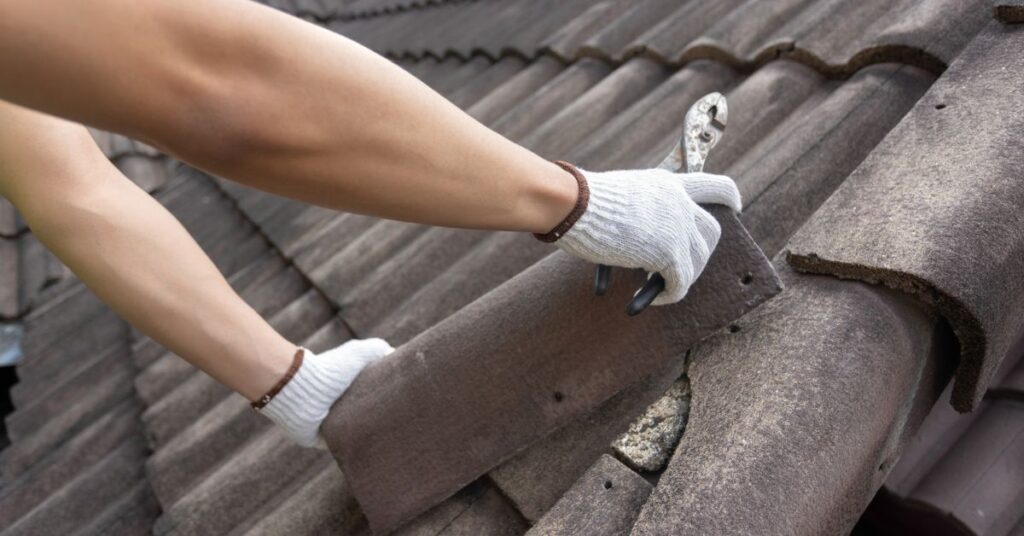
Roof shingles deteriorate over time because of prolonged exposure to sunlight, heat, moisture, severe weather, and natural aging. Although asphalt shingles are designed to withstand years of outdoor conditions, their protective materials gradually break down, making the roof more vulnerable to damage and water intrusion. Homes throughout Georgia and North Florida experience particularly demanding conditions, including intense summer heat, high humidity, heavy rainfall, and seasonal storms.
Common Causes of Roof Leaks Every Homeowner Should Know
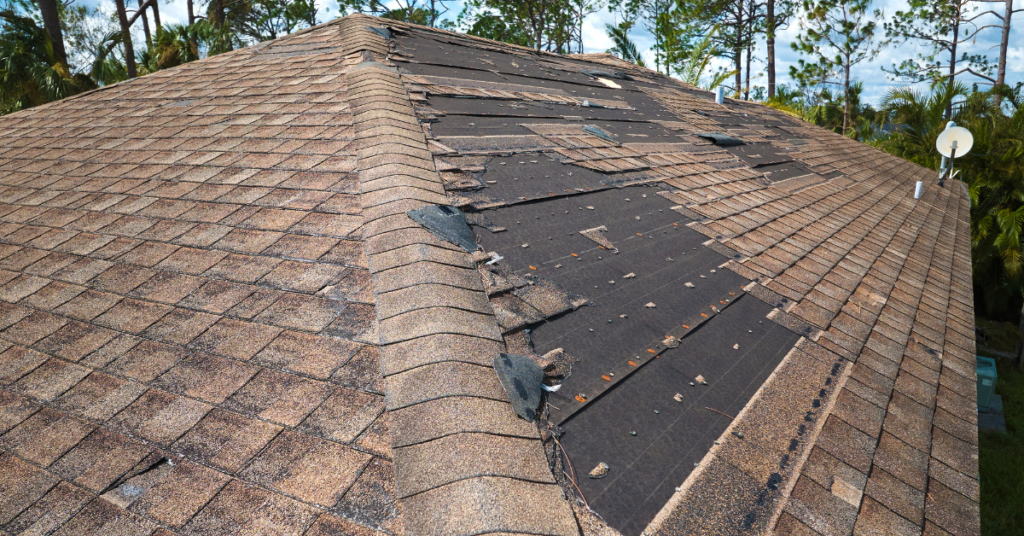
A roof leak rarely appears without warning. In many cases, water enters through a small vulnerability that develops over time before eventually making its way into the home. While some leaks are caused by aging roofing materials, others originate from damaged flashing, clogged gutters, storm damage, or worn roof components that can often go unnoticed from the ground. Understanding the common causes of roof leaks can help homeowners recognize potential problems early and determine when it’s time to schedule a professional roof inspection.
Roof Flashing: What Is It & What Does It Do?
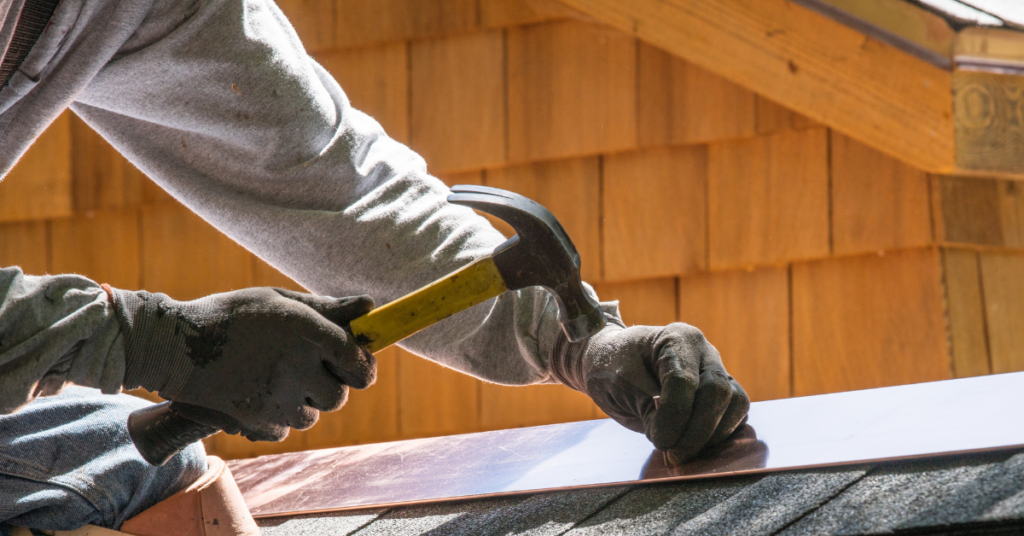
Roof flashing is one of the most important components of a roofing system, yet it is also one of the least understood by homeowners. While shingles provide the primary barrier against rain, flashing protects vulnerable areas where water is most likely to penetrate the roof. Properly installed roof flashing helps direct water away from joints, seams, and roof penetrations, reducing the risk of leaks and costly water damage. Understanding what roof flashing is and how it works can help homeowners recognize why it plays such a critical role in the long-term performance of their roof.
Does Roof Age Affect Home Insurance in Georgia and Florida?
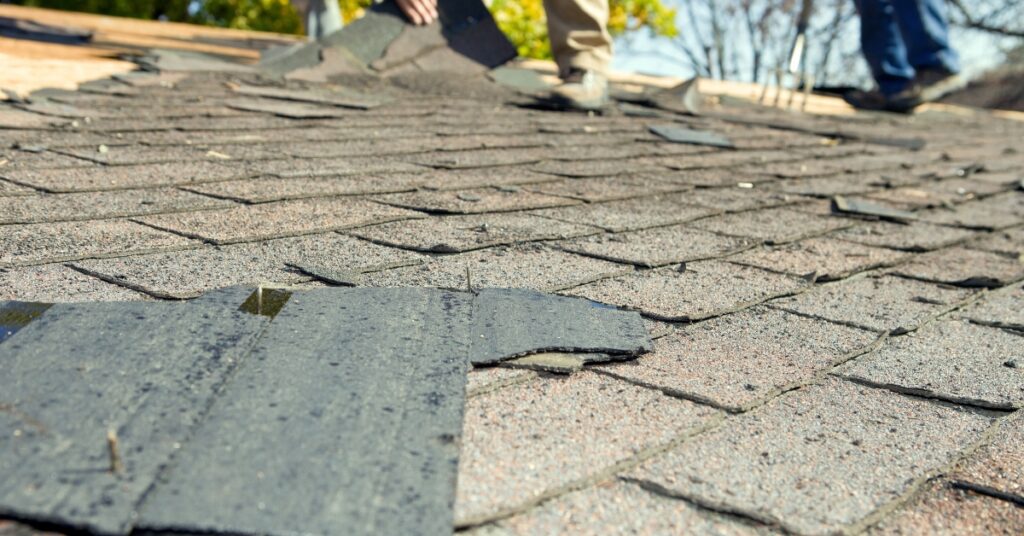
Yes, roof age can affect home insurance coverage, premiums, inspections, and policy renewals in Georgia and Florida. Insurance companies view older roofs as higher risk because aging materials are more vulnerable to leaks, wind damage, and moisture intrusion, especially in climates with heavy storms, high humidity, and intense heat.
Is Your Roof Properly Ventilated for Georgia and North Florida
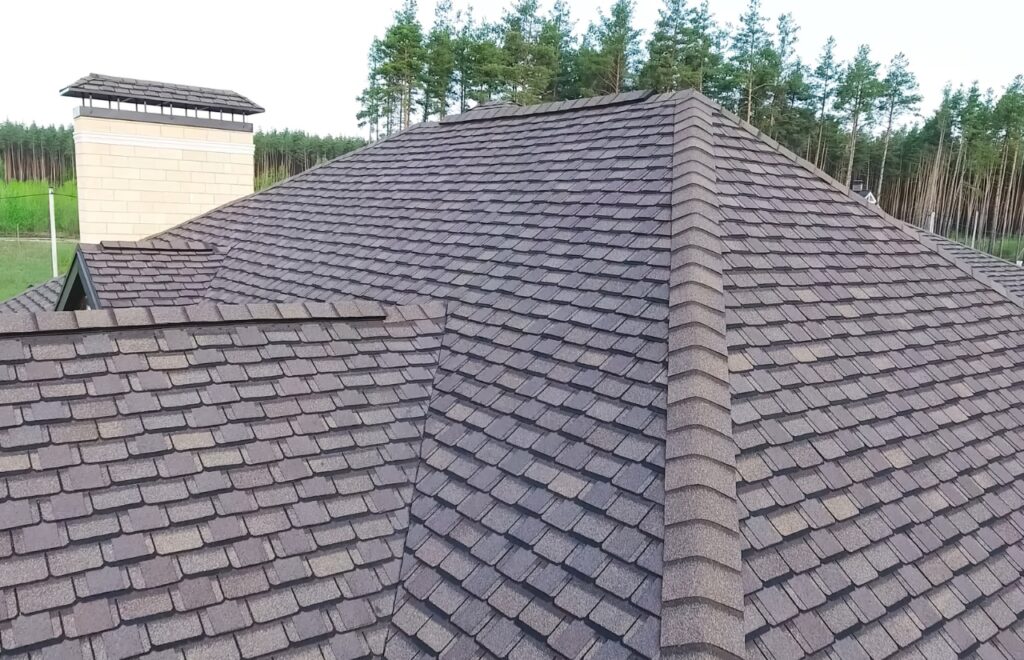
Most homeowners don’t realize that many roofs in Georgia and Florida are not properly ventilated, especially older systems built under outdated standards. In hot, humid climates, ventilation is not optional, it’s a critical part of how your roof manages heat, moisture, and overall performance. Without proper airflow, your attic can trap extreme heat and humidity, leading to higher energy costs, faster roof deterioration, and hidden structural issues.
Late Spring Is An Ideal Time For Roof Replacement & Repair
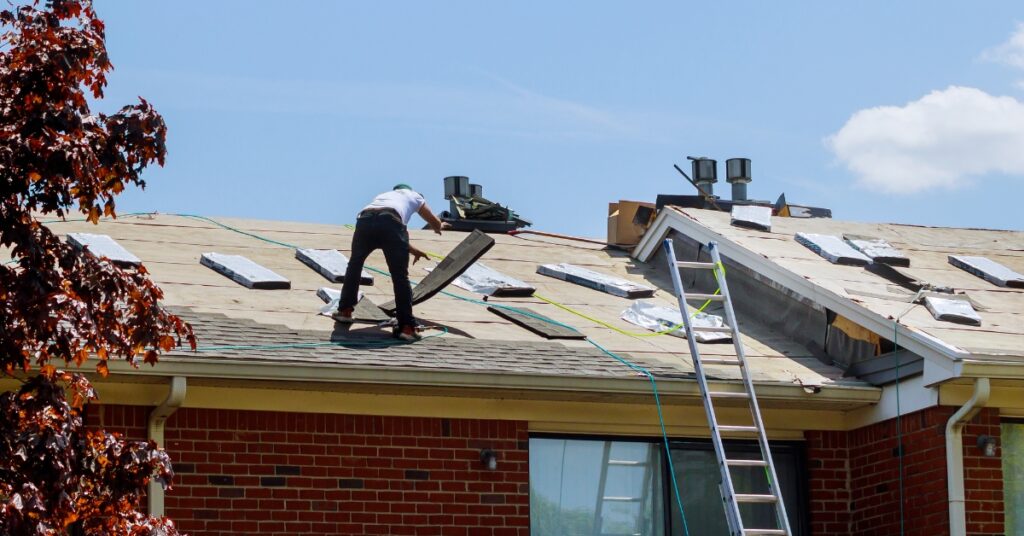
Late spring is one of the best times to schedule a roof replacement or major repairs in Georgia and North Florida. The combination of moderate temperatures, lower storm activity, and favorable working conditions makes this season ideal for both installation quality and project timing. If you’ve been putting off roofing work, late spring offers the perfect window to address issues before summer heat and storm season create bigger problems. In this guide, we’ll explain why late spring is such a strategic time to plan roof services and how it benefits homeowners in the Southeast.
Roof Replacement Cost Factors For Georgia & North Florida Homes
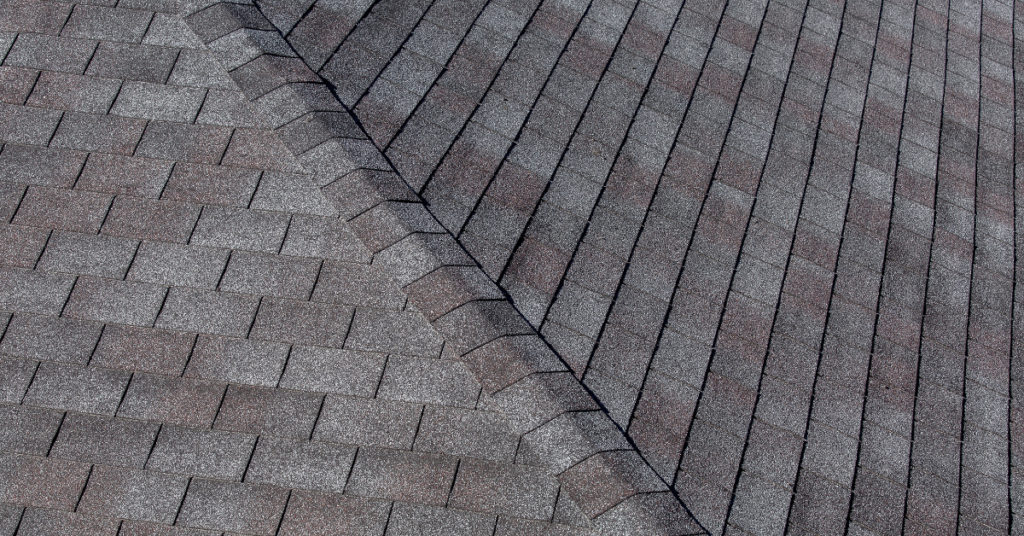
Roof replacement costs in Georgia and North Florida vary widely depending on structural conditions, material selection, and regional building requirements. While both regions experience intense heat and high humidity, North Florida homes may also face stricter wind mitigation codes due to hurricane exposure, which can influence installation methods and material specifications. Georgia municipalities often have their own permitting and inspection processes that affect the scope and timeline of projects.
Should You Replace Your Roof Before Selling Your Home?
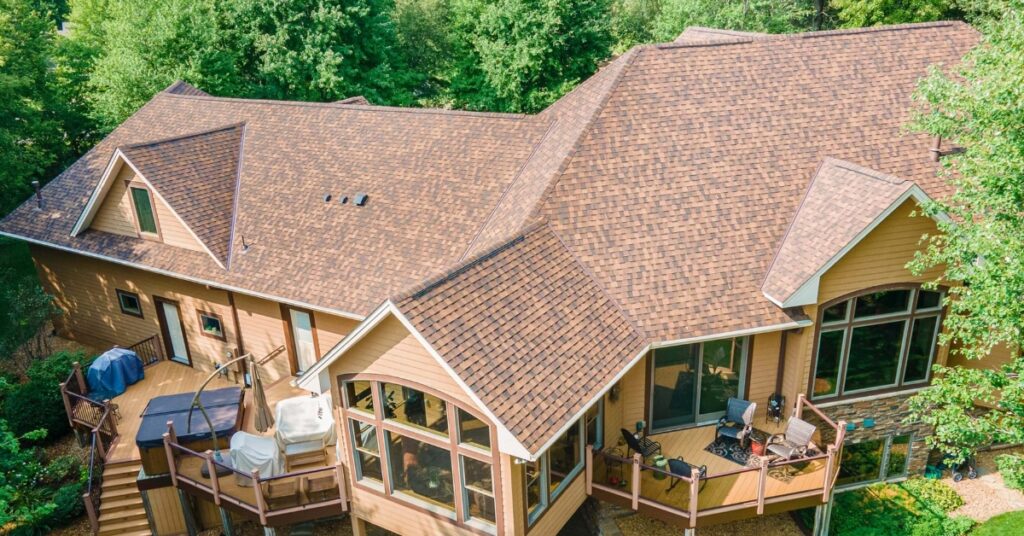
In many cases, replacing your roof before selling your home can make the property easier to sell and help protect your asking price – but it isn’t always necessary. The right decision depends on the roof’s age, visible condition, and how buyers and inspectors are likely to view it.
What Happens If It Rains During My Roof Replacement?
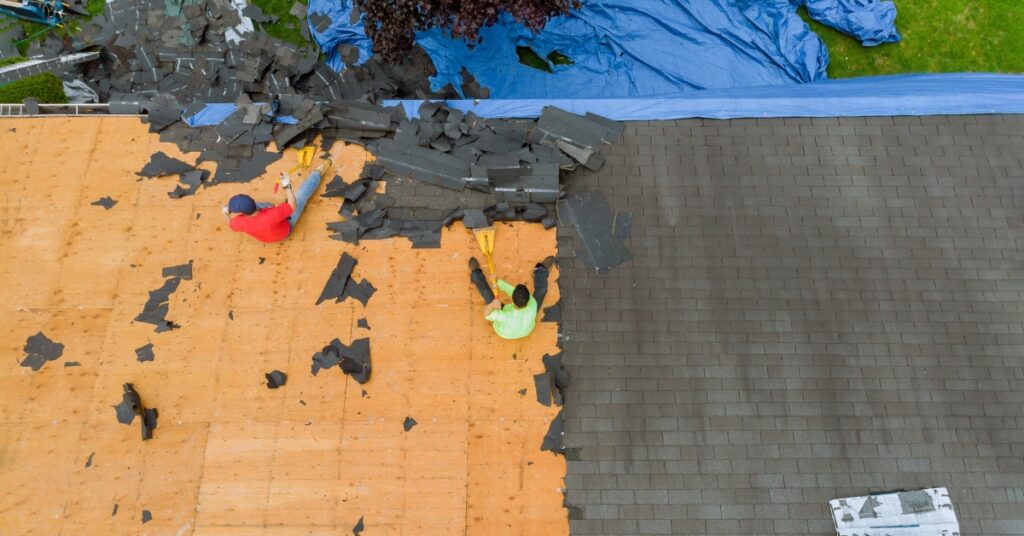
If it rains during your roof replacement, the crew will immediately stop work and cover your home with waterproof protection to prevent leaks or moisture damage. Roofers do not continue installing shingles in the rain because wet surfaces affect material adhesion, create safety risks, and reduce installation quality.
How To Prepare Your Home For a Roof Replacement
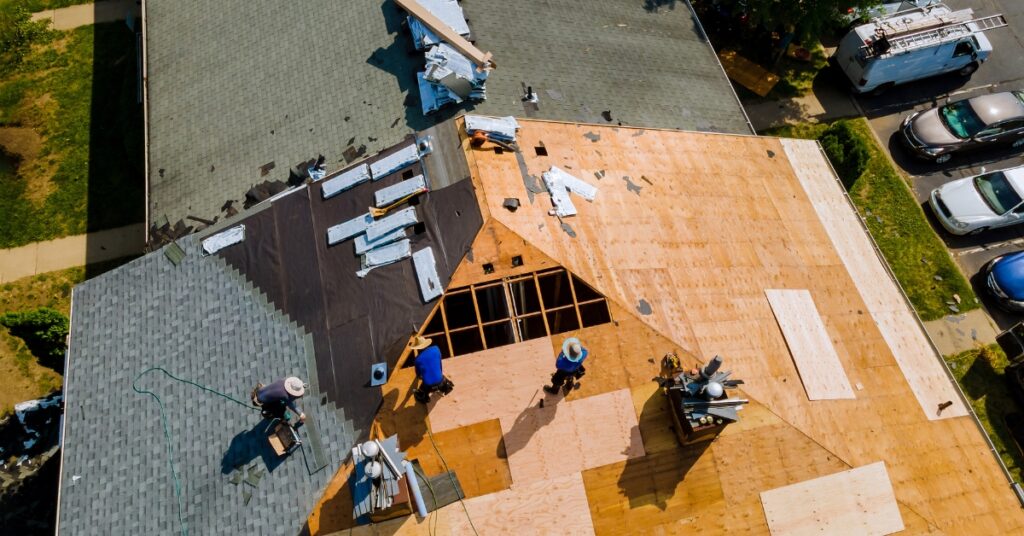
A roof replacement is one of the most significant home improvement projects you’ll take on. It’s noisy, messy, and disruptive, but with proper preparation, you can make the process far smoother and less stressful. In Metro Atlanta and North Florida, preparation is especially important. Between scorching sun, high humidity, and sudden downpours, roofers need clear access to work quickly and efficiently. Taking steps to get both the inside and outside of your home ready will protect your property, save you time, and help your local roofing contractor complete the job with minimal delays.