
8 Common Gutter Problems Homeowners Should Never Ignore
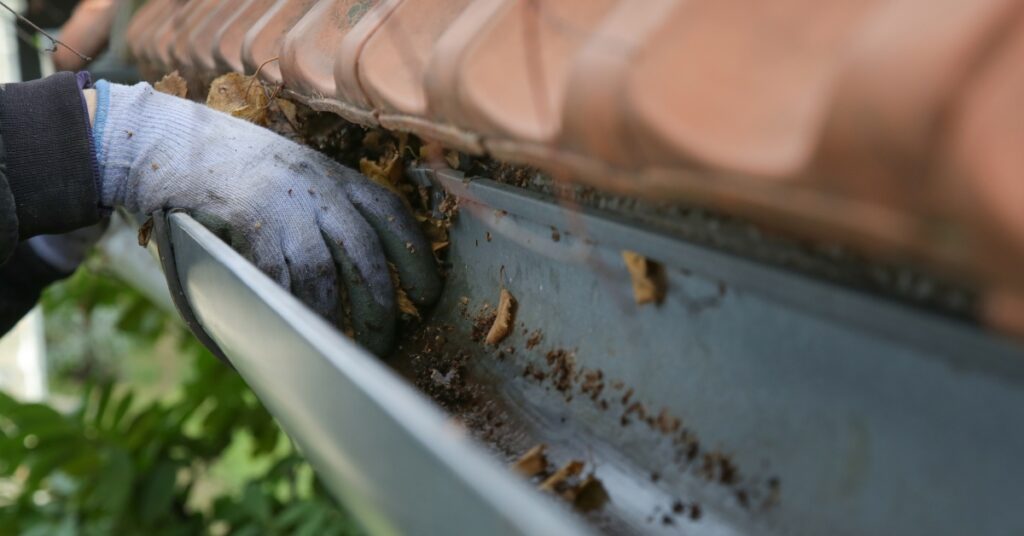
Table of Contents
Gutters play a critical role in protecting your home from water damage, yet they are often overlooked until a noticeable problem develops. In Georgia and Florida, where heavy rainfall, thunderstorms, and seasonal weather can put significant demands on drainage systems, even minor gutter issues can quickly become larger concerns. A properly functioning gutter system helps direct water away from your roof, siding, foundation, and landscaping. Understanding the most common gutter problems can help homeowners identify warning signs early and avoid more expensive repairs later.
Why Gutter Problems Should Be Addressed Early
Many gutter issues begin as relatively small maintenance concerns but become more serious as they continue to affect how water moves around the home. Because gutters manage thousands of gallons of rainwater throughout the year, even a minor disruption in their performance can have consequences beyond the gutter system itself. Water that is not properly controlled may affect the roof, fascia boards, siding, foundation, and surrounding landscape. The following gutter problems are among the most common issues homeowners should never ignore.
1. Clogged Gutters
Clogged gutters are one of the most common gutter problems homeowners encounter. Leaves, pine needles, twigs, roofing granules, and other debris can accumulate inside the gutter system and restrict water flow. When this happens, rainwater cannot flow efficiently toward the downspouts and may overflow the edges during storms. In addition to creating visible overflow, clogged gutters can place extra weight on the system and contribute to sagging. If left unaddressed, recurring clogs can increase the risk of water damage to the siding, fascia boards, landscaping, and the foundation around the home.
2. Sagging Gutters
Gutters are designed to maintain a consistent slope that allows water to flow toward the downspouts. When sections begin to sag, the slope is disrupted, and water may collect within the system instead of draining properly. Standing water adds significant weight to the gutters, placing additional strain on fasteners, hangers, and fascia boards. Over time, the problem often worsens as the added weight causes even greater sagging. Homeowners who notice sections bowing downward should address the issue promptly before it leads to separation from the home or widespread drainage failures.
3. Gutters Pulling Away From the House
Visible gaps between the gutter system and the home often indicate mounting issues that require attention. Gutters may begin pulling away due to aging fasteners, deteriorating fascia boards, excessive debris weight, or years of storm exposure. Once separation begins, water can flow behind the gutter rather than through it, exposing the roof edge and wood components to unnecessary moisture. This can accelerate wood rot and structural deterioration along the roofline. Addressing the issue early helps prevent additional damage and often reduces the extent of repairs required.
4. Leaking Seams and Joints
Traditional sectional gutter systems contain multiple seams and connection points where leaks can develop over time. As materials expand and contract through changing temperatures and weather conditions, these joints may weaken and allow water to escape. While a small leak may seem insignificant, repeated dripping can gradually damage landscaping, siding, and foundation areas below. Leaks also indicate that the gutter system is no longer effectively managing water as designed. In older systems, widespread seam failures often indicate that replacement should be considered.
5. Overflow During Heavy Rain
Many homeowners assume overflowing gutters automatically mean the system is clogged, but several factors can contribute to this problem. Improper pitch, undersized gutters, damaged sections, or insufficient downspout capacity can all cause water to spill over the edges during storms. This is especially important in Georgia and Florida, where heavy downpours can deliver large volumes of rain in a short period. Overflowing gutters allow water to collect where it was never intended to go, increasing the risk of erosion, moisture intrusion, and foundation issues.
6. Water Pooling Near the Foundation
One of the clearest signs of gutter-related drainage problems is water collecting around the home’s foundation after rainfall. Properly functioning gutters should direct water away from the structure, helping keep the soil around the home relatively stable. When water repeatedly pools near the foundation, it may indicate clogged gutters, poor downspout placement, drainage deficiencies, or a failing gutter system. Over time, excessive moisture can contribute to soil erosion, drainage problems, and additional stress on the foundation itself.
7. Rust, Corrosion, or Peeling Paint
Rust, corrosion, and peeling paint often indicate that moisture is remaining on the gutter system longer than it should. This can occur when water becomes trapped due to poor drainage, standing water, or aging materials. While these issues may initially appear cosmetic, they often signal underlying deterioration that can compromise the integrity of the gutter system. As corrosion progresses, holes may develop, reducing the system’s ability to effectively move water away from the home.
8. Downspout Problems
Downspouts are just as important as the gutters themselves because they complete the drainage process. If downspouts become clogged, disconnected, damaged, or improperly positioned, water may not be directed far enough away from the home. This can create many of the same problems associated with failing gutters, including foundation moisture, erosion, and pooling water. Even when the gutters appear to be functioning properly, downspout issues can prevent the system from performing as intended.
When Gutter Problems May Indicate It’s Time for Replacement
Some gutter issues can be resolved through maintenance or targeted repairs, but widespread deterioration often points to the need for replacement. Multiple leaks, recurring overflow, extensive sagging, or widespread corrosion are signs that the system may no longer be providing reliable protection. A professionally installed gutter replacement system can improve drainage performance, reduce leak points, and better manage the heavy rainfall common throughout Georgia and Florida.
Schedule Your Gutter Consultation Today
If you’ve noticed any of these common gutter problems around your home, now is the time to have the system evaluated. Addressing drainage issues early can help prevent larger and more expensive problems from developing in the future.
Why Choose Wallcraft Exterior Solutions
We install gutter systems designed to perform in the demanding weather conditions found throughout Georgia and Florida. Our team evaluates your home’s drainage needs, roof design, and water flow patterns to recommend solutions that provide long-term protection. Whether your gutters are showing signs of age or no longer performing properly, we can help you determine the best path forward.
Contact us today to schedule your gutter consultation and learn how a professionally installed gutter system can help protect your home.
FAQ About Common Gutter Problems
Clogged gutters are one of the most common gutter problems homeowners face. Leaves, pine needles, twigs, and other debris can restrict water flow and cause gutters to overflow during heavy rain. If not cleaned regularly, clogged gutters can contribute to sagging, water damage, and drainage issues around the home.
Several warning signs may indicate that gutter replacement is necessary. Sagging sections, gutters pulling away from the house, recurring leaks, visible rust, and frequent overflow during rainstorms often suggest the system is no longer functioning properly. A professional inspection can help determine whether repairs are sufficient or if replacement is the better long-term solution.
Yes, failing gutters can contribute to foundation problems over time. When water is not directed away from the home properly, it can collect around the foundation and repeatedly saturate the surrounding soil. This may lead to erosion, drainage problems, and additional stress on the foundation structure.
Overflow can occur for several reasons beyond simple clogs. Improper gutter pitch, undersized gutters, damaged sections, or inadequate downspout capacity can all prevent the system from handling heavy rainfall effectively. This is especially common in Georgia and Florida, where storms often produce intense rainfall in a short period of time.
Most homeowners should inspect their gutters at least twice per year, typically in the spring and fall. It is also a good idea to inspect the system after major storms to identify loose sections, debris buildup, or damage that could affect performance. Regular inspections help catch small problems before they become more expensive repairs.