
Common Causes of Roof Leaks Every Homeowner Should Know
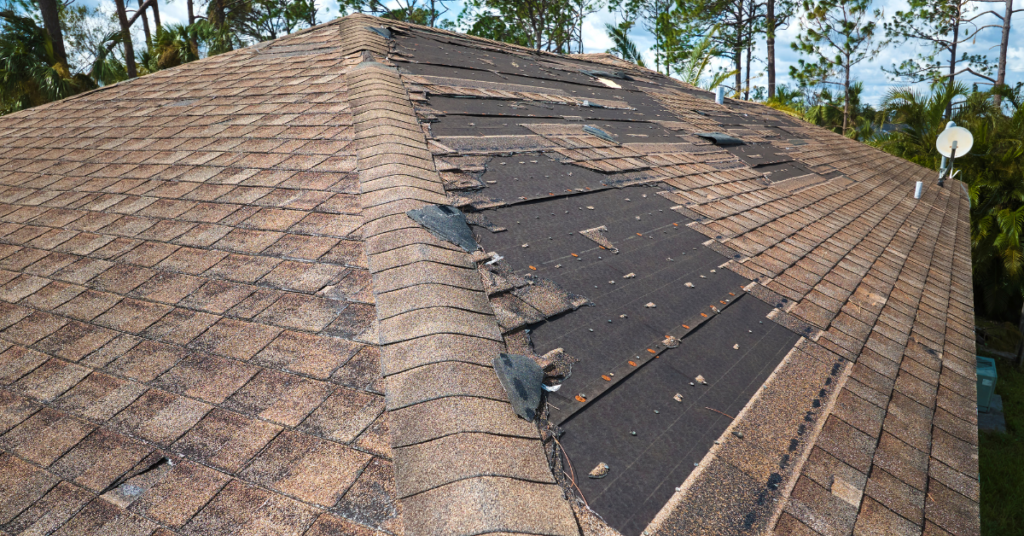
Table of Contents
A roof leak rarely appears without warning. In many cases, water enters through a small vulnerability that develops over time before eventually making its way into the home. While some leaks are caused by aging roofing materials, others originate from damaged flashing, clogged gutters, storm damage, or worn roof components that can often go unnoticed from the ground. Understanding the common causes of roof leaks can help homeowners recognize potential problems early and determine when it’s time to schedule a professional roof inspection.
Why Roof Leaks Should Never Be Ignored
Even a small roof leak can lead to much larger problems if left unaddressed. Water rarely travels straight down after entering the roof. Instead, it can move through the roofing system, attic, insulation, and framing before eventually appearing as a stain on a ceiling or wall. By the time a leak becomes visible inside the home, moisture may have already caused damage that is not immediately apparent. Addressing roof leaks promptly helps protect the structural integrity of your home while reducing the likelihood of more extensive and expensive repairs.
8 Common Causes of Roof Leaks
Roof leaks can develop for a variety of reasons, and identifying the true source often requires a professional inspection. While every roof is different, these are some of the most common issues that contribute to water intrusion.
1. Damaged or Missing Shingles
Shingles are the first line of defense against rain, wind, and other weather conditions. Over time, they can become cracked, curled, loosened, or blown off during severe storms, leaving the underlying roofing materials exposed. Even a small area of missing shingles can allow water to penetrate the roofing system during heavy rainfall. Regular inspections after storms can help identify damaged shingles before they result in interior leaks.
2. Worn or Damaged Roof Flashing
Roof flashing protects the areas where water is most likely to enter the roofing system, including around chimneys, skylights, roof valleys, vents, and where the roof meets vertical walls. If flashing becomes loose, damaged, corroded, or improperly installed, water can work its way beneath the roofing materials and into the home. Because flashing protects some of the roof’s most vulnerable areas, even minor failures can eventually lead to significant leaks.
3. Roof Valleys
Roof valleys are created where two roof slopes meet, naturally directing large volumes of rainwater toward the gutters. Because these areas handle more water than most sections of the roof, they experience increased wear over time. If valley flashing becomes damaged or shingles begin to deteriorate, water can penetrate beneath the roofing system and create leaks. Proper installation and routine inspections are especially important for maintaining the integrity of roof valleys.
4. Chimneys and Skylights
Any feature that extends through the roof creates additional opportunities for water intrusion if not properly sealed. Chimneys and skylights rely on flashing, sealants, and precise installation techniques to keep water out. As homes settle and materials expand and contract through changing temperatures, these protective components can wear down over time. Regular inspections help ensure these areas continue performing as intended.
5. Plumbing Vent Boots
Most roofs include plumbing vent pipes that extend through the roofing system. These pipes are surrounded by rubber or metal vent boots designed to create a watertight seal. As vent boots age, exposure to sunlight and changing weather conditions can cause the materials to crack, split, or deteriorate. Once the seal is compromised, water may enter around the pipe and eventually find its way into the home.
6. Clogged Gutters
Gutters play an important role in protecting your roof by directing rainwater safely away from the home. When gutters become clogged with leaves, pine needles, and other debris, water may back up beneath the shingles instead of flowing toward the downspouts. During heavy rain, overflowing gutters can also contribute to moisture problems along the roof edge and fascia. Keeping gutters clean helps support the overall performance of the roofing system.
7. Aging Roofing Materials
Every roofing system has an expected lifespan, and as materials age, they gradually become more vulnerable to weather-related wear. Shingles may lose protective granules, become brittle, or begin to crack after years of exposure to sunlight, rain, and changing temperatures. While normal aging does not always mean immediate replacement is necessary, older roofs should be inspected more frequently to identify developing issues before they result in leaks.
8. Improper Roof Installation
Even high-quality roofing materials can underperform if they are not installed correctly. Improper flashing placement, incorrect nailing techniques, poorly installed underlayment, or other installation errors can create weaknesses that allow water to enter the roof. In many cases, installation-related issues may not become apparent until months or even years after the roof has been completed. Choosing an experienced roofing contractor is one of the best ways to help prevent avoidable leak problems in the future.
A Professional Roof Inspection Can Identify the Source
One of the biggest misconceptions about roof leaks is that the visible water stain inside the home marks the exact location of the leak. In reality, water often travels along rafters, decking, and other structural components before becoming visible indoors. A professional roof inspection evaluates the entire roofing system to identify the true source of the leak rather than simply treating the symptoms. This allows repairs to address the underlying problem and helps reduce the risk of recurring leaks.
Schedule Your Roof Inspection Today
If you’ve noticed water stains, dripping water, or other signs of a roof leak, addressing the problem early can help prevent more extensive damage. Our experienced team can inspect your roof, identify the source of the leak, and recommend the most appropriate solution for your home.
Why Choose Wallcraft Exterior Solutions
Wallcraft Exterior Solutions provides professional roof inspections, repairs, and roof replacement services throughout Metro Atlanta and North Florida. We understand how local weather conditions affect roofing systems and take a comprehensive approach to identifying leaks and protecting your home. Whether your roof requires a minor repair or a complete replacement, we’re committed to delivering quality workmanship and honest recommendations you can trust.
Contact us today to schedule your professional roof inspection.
FAQ About Roof Leaks and How To Fix Them
Damaged shingles, worn flashing, clogged gutters, and aging roofing materials are among the most common causes of roof leaks. A professional inspection can determine the exact source of the problem.
Yes. Even a minor leak can allow water to damage insulation, roof decking, framing, drywall, and other structural components if left unaddressed.
No. Many roof leaks can be repaired if the roofing system is otherwise in good condition. The appropriate solution depends on the age of the roof, the extent of the damage, and the source of the leak.
Professional roof inspections evaluate the entire roofing system, including shingles, flashing, valleys, vents, gutters, and attic spaces. Because water often travels before becoming visible inside the home, the source of the leak may be located far from the interior water stain.
As soon as possible. Prompt inspections can help prevent additional water damage and allow smaller problems to be repaired before they become more extensive and expensive.