
Roof Flashing: What Is It & What Does It Do?
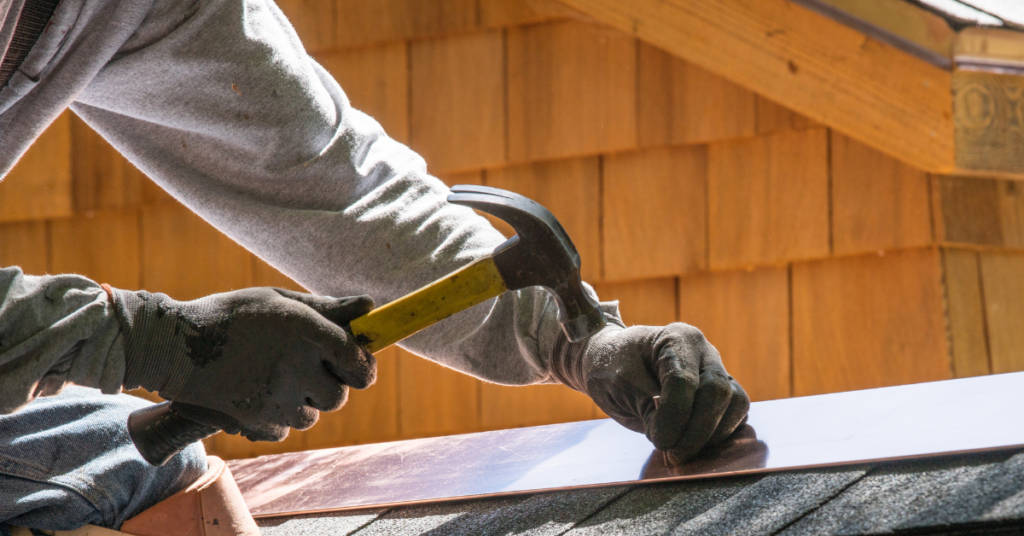
Table of Contents
Roof flashing is one of the most important components of a roofing system, yet it is also one of the least understood by homeowners. While shingles provide the primary barrier against rain, flashing protects vulnerable areas where water is most likely to penetrate the roof. Properly installed roof flashing helps direct water away from joints, seams, and roof penetrations, reducing the risk of leaks and costly water damage. Understanding what roof flashing is and how it works can help homeowners recognize why it plays such a critical role in the long-term performance of their roof.
What Is Roof Flashing?
Roof flashing is a thin material, typically made of metal, installed in areas where the roof changes direction or where openings exist. These locations are naturally more susceptible to water intrusion because they interrupt the continuous surface created by roofing shingles. Flashing creates a watertight transition that helps channel rainwater safely toward the gutters instead of allowing it to seep beneath the roofing materials.
Every professionally installed roofing system relies on properly placed flashing. Without it, even a brand-new roof can become vulnerable to leaks around chimneys, skylights, roof valleys, and other critical areas.
Where Is Roof Flashing Installed?
Roof flashing is used throughout the roofing system to protect areas that experience the greatest water flow or have the highest potential for leaks. While homeowners rarely notice flashing from the ground, it performs an essential function every time it rains.
Around Chimneys
Where a chimney meets the roof, flashing creates a watertight seal between the masonry and the roofing materials. Because these two surfaces expand and contract differently over time, properly installed flashing helps prevent water from entering around the chimney.
Around Roof Vents and Pipes
Plumbing vents, exhaust vents, and other roof penetrations require specialized flashing to prevent rainwater from entering the home. These components are carefully designed to fit tightly around pipes while allowing water to flow away from the opening.
In Roof Valleys
Roof valleys are formed where two roof slopes meet. These areas naturally collect and channel large amounts of rainwater, making them one of the most important places for flashing. Valley flashing helps guide water safely off the roof while protecting the underlying materials from excessive moisture.
Along Walls and Dormers
Whenever a roof meets a vertical wall or dormer, flashing is installed to create a weather-resistant transition. Without properly installed flashing, water can seep behind the siding or roofing materials and cause hidden structural damage over time.
Around Skylights
Skylights create another interruption in the roofing system that must be carefully sealed against water intrusion. Flashing installed around the perimeter of the skylight helps direct water away from the opening and reduces the risk of leaks during heavy rainfall.
Why Roof Flashing Is So Important
While shingles receive most of the attention during a roof replacement, flashing often provides the critical protection that keeps water out of the home. Many roof leaks begin not because shingles have failed, but because flashing has deteriorated, shifted, or was improperly installed.
Proper flashing helps protect:
Roof decking
Attic insulation
Interior ceilings
Wall framing
Drywall
Flooring
Personal belongings
By directing water away from vulnerable areas, flashing helps prevent costly repairs that can result from prolonged moisture intrusion.
Signs Your Roof Flashing May Need Attention
Roof flashing is designed to last for many years, but like every component of a roofing system, it can eventually become damaged or worn. Weather exposure, aging materials, improper installation, and severe storms can all affect its performance.
Common signs of flashing problems include:
Water stains on ceilings or walls
Leaks around chimneys or skylights
Loose or lifted flashing
Rust or corrosion on metal flashing
Missing sections of flashing
Water entering the attic after heavy rain
If you notice any of these warning signs, it is important to have your roof professionally inspected before a small issue develops into a more expensive repair.
Can Roof Flashing Be Repaired?
In many cases, damaged flashing can be repaired or replaced without requiring a complete roof replacement. The appropriate solution depends on the roof’s age, the extent of the damage, and whether the surrounding roofing materials remain in good condition.
A professional roofing inspection can determine whether repairing the flashing is sufficient or if additional roofing work is recommended to restore the integrity of the roofing system.
Professional Installation Makes a Difference
Because flashing protects some of the most leak-prone areas of a roof, proper installation is essential. Incorrectly installed flashing can allow water to bypass the roofing system, even if the shingles themselves are still in excellent condition. Experienced roofing professionals understand how flashing integrates with shingles, underlayment, and other roofing components to create a complete weather-resistant system.
Choosing an experienced roofing contractor helps ensure every part of the roofing system works together to protect your home for years to come.
Schedule Your Roof Inspection Today
Roof flashing may not be the most visible part of your roof, but it is one of the most important. Keeping flashing in good condition helps protect your home from leaks, moisture damage, and costly structural repairs. If you suspect your roof may have flashing damage or simply want the peace of mind that comes with a professional inspection, our team is here to help.
Why Choose Wallcraft Exterior Solutions
At Wallcraft Exterior Solutions, we provide comprehensive roofing inspections, repairs, and roof replacement services throughout Metro Atlanta and North Florida. Our experienced team carefully evaluates every component of your roofing system, including the flashing that protects your home’s most vulnerable areas. We’re committed to delivering quality artistry that helps homeowners enjoy dependable, long-lasting roof performance.
Contact us today to schedule your professional roof inspection.
FAQ About Roof Flashing
Roof flashing is typically made from durable metals such as aluminum, galvanized steel, or copper. The material used often depends on the roofing system, budget, and specific application.
Yes. Properly constructed roofing systems use flashing in multiple locations, including around chimneys, roof valleys, skylights, vents, and where the roof meets walls.
Absolutely. Damaged, loose, or improperly installed flashing is one of the most common causes of roof leaks because it protects the areas where water is most likely to enter the roofing system.
Roof flashing can last for decades when properly installed and maintained. However, severe weather, corrosion, and aging may eventually require repairs or replacement.
In many cases, yes. Replacing worn or damaged flashing during a roof replacement helps ensure the entire roofing system performs properly and provides long-term protection against water intrusion.