
Does Roof Age Affect Home Insurance in Georgia and Florida?
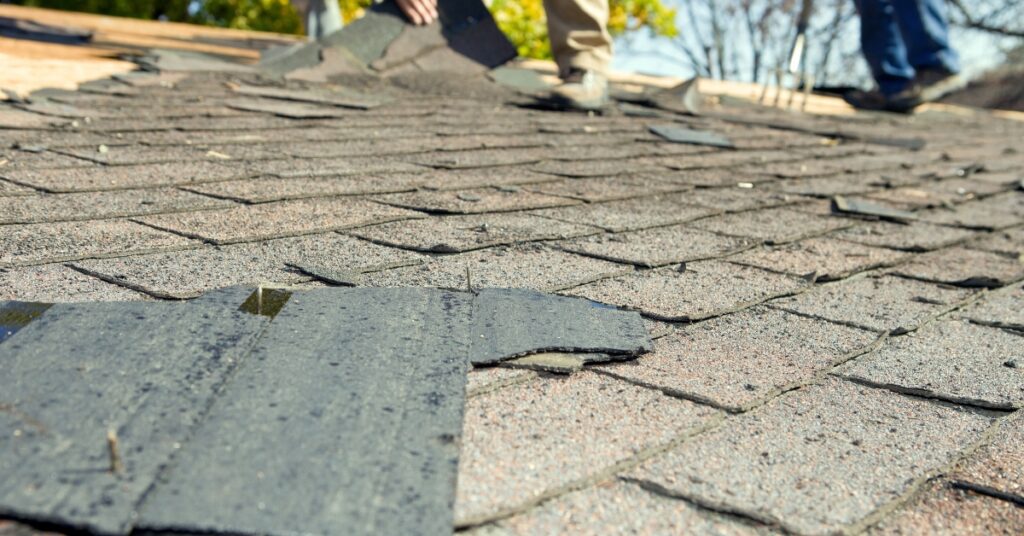
Table of Contents
Yes, roof age can affect home insurance coverage, premiums, inspections, and policy renewals in Georgia and Florida. Insurance companies view older roofs as higher risk because aging materials are more vulnerable to leaks, wind damage, and moisture intrusion, especially in climates with heavy storms, high humidity, and intense heat.
While each insurance provider has different guidelines, the condition and age of the roof are often important factors in how a home is evaluated. Understanding why insurers pay attention to roofing systems can help homeowners make informed decisions about inspections, maintenance, and replacement timing.
Why Insurance Companies Pay Attention to Roof Age
Your roof is one of the most important protective systems on your home, and it is also one of the most expensive components to repair or replace after storm damage. Because of this, insurance companies closely evaluate the condition of the roof when determining risk. In states like Georgia and Florida, where strong storms, wind, heavy rain, and prolonged heat exposure are common, roofing systems experience greater environmental stress than in milder regions.
As roofs age, materials naturally begin to deteriorate. Shingles can lose protective granules, flashing can weaken, and ventilation systems may become less effective over time. Even if an older roof appears acceptable from the ground, hidden wear beneath the surface can increase the likelihood of future claims. Insurance providers take these risks seriously because roof-related claims are among the most common and costly issues homeowners face.
Older Roofs Carry a Greater Risk of Storm Damage
Aging roofs are generally more vulnerable during severe weather events because roofing materials weaken over time. Shingles that were once flexible and weather-resistant may become brittle after years of heat exposure and repeated storm cycles. In Georgia and Florida, where high winds and heavy rainfall are common during storm season, older roofs may be more susceptible to lifted shingles, water intrusion, or structural damage.
This does not necessarily mean every older roof is failing, but insurers often view age as an indicator of increased risk. Even small vulnerabilities can become major issues during severe weather, especially when wind-driven rain or prolonged moisture exposure is involved. This is one reason many insurance companies pay close attention to roof age during policy reviews or inspections.
Roof Age Can Influence Insurance Premiums
Insurance premiums are based largely on risk assessment, and roof age is one of many factors that may influence how a property is evaluated. A newer roofing system may be considered less likely to experience weather-related failures than an aging roof nearing the end of its expected lifespan.
Older roofs may also prompt additional inspections or documentation requests from insurers. In some cases, homeowners may be asked to provide proof of roof condition or recent updates before coverage decisions are finalized. While policies vary significantly between providers, maintaining a roof in good condition can help demonstrate that the home is being properly cared for.
Some Insurance Policies Have Roof Age Guidelines
Certain insurance providers have internal guidelines regarding older roofs, particularly in regions with higher storm exposure. Depending on the carrier, homeowners with aging roofs may encounter additional underwriting requirements, inspection requests, or coverage term limitations.
It is important to understand that roof age alone does not automatically determine coverage outcomes. Roof condition, installation quality, material type, and maintenance history can all play a role in how insurers assess a property. However, as roofs continue to age, insurance companies may pay closer attention to their overall condition and performance.
The Weather in Georgia and Florida Affects Things
Climate conditions in Georgia and Florida place additional stress on roofing systems year-round. Heat, humidity, intense UV exposure, and frequent storms can accelerate wear and cause faster material deterioration than in cooler or drier regions.
Heat and Humidity Accelerate Roof Wear
Prolonged exposure to high temperatures can gradually break down roofing materials. Shingles expand and contract repeatedly during daily temperature changes, which can contribute to cracking, curling, and granule loss as the roof ages. At the same time, humidity can trap moisture within roofing systems and attic spaces if ventilation is inadequate.
This constant cycle of heat and moisture exposure is one reason roofs in the Southeast may wear out faster than homeowners expect. Even well-installed roofs require ongoing evaluation as they age in these conditions.
Storm and Hurricane Exposure Increase Insurance Concerns
Homeowners in Georgia and Florida regularly experience severe weather that can affect roof performance. Heavy rain, high winds, tropical storms, and hurricane activity place significant stress on roofing systems, especially older ones with weakened materials or previous storm damage.
Insurance companies understand that storm-prone regions naturally carry higher roofing risks. Because of this, roof age often becomes a more important factor in these areas than it might in locations with less severe weather exposure.
Moisture Damage Can Develop Quietly Over Time
One of the biggest concerns with aging roofs is that moisture damage is not always immediately visible. Small leaks, deteriorated flashing, or compromised underlayment can allow water intrusion to develop slowly over time. In humid climates, trapped moisture can contribute to mold growth, wood rot, and damage to insulation inside the attic or on the roof decking.
These issues may remain hidden until a major storm or inspection reveals more extensive damage. This is another reason older roofing systems often receive closer attention from insurance providers.
Signs Your Roof May Be Near the End of Its Service Life
Many homeowners are unsure whether their roof is simply aging normally or beginning to develop more serious problems. While only a professional inspection can fully evaluate the condition of your roof, several warning signs may indicate that your roofing system is approaching the end of its expected lifespan.
- Curling or Cracked Shingles – Shingles that are lifting, curling, or cracking often indicate prolonged weather exposure and material deterioration. These issues can make the roof more vulnerable to water intrusion during storms.
- Granule Loss – Asphalt shingles naturally lose granules as they age, but excessive granule accumulation in gutters can signal advanced wear. Granules help protect shingles from UV damage, so a significant loss reduces overall durability.
- Frequent Leaks or Water Stains – Recurring leaks or ceiling stains may suggest that the roofing system is no longer effectively keeping moisture out. Even small leaks can lead to larger structural issues over time.
- Sagging Roof Sections – Areas of visible sagging may indicate underlying moisture damage or weakened structural components. This is a more serious sign that should be evaluated promptly.
- Visible Storm Damage – Missing shingles, lifted edges, or impact damage from debris can compromise the integrity of an older roof and increase the likelihood of future problems.
Roof Replacement Can Help Protect Your Home Investment
A roof replacement provides more than just updated shingles. It allows the entire roofing system to be evaluated and upgraded for improved performance, durability, and weather resistance. Modern roofing systems often include improved underlayment, ventilation, flashing, and moisture management components that help protect the home more effectively than older systems.
Replacing an aging roof can also provide homeowners with greater peace of mind during storm season. While no roofing system can prevent every possible issue, a properly installed modern roof is generally better equipped to handle the environmental demands of the climates in Georgia and Florida. In many cases, replacing an older roof before significant problems develop can help homeowners avoid larger repair costs and unexpected damage down the road.
Schedule Your Roof Consultation Today
If you are unsure about the condition or age of your roof, our team can help you evaluate your options and determine the best path forward for your home. We understand the unique challenges roofs face in Georgia and Florida, from extreme heat and humidity to severe storm exposure. Our team focuses on complete roofing systems designed for long-term performance, proper ventilation, and reliable weather protection.
Whether you need an inspection, a replacement consultation, or guidance on an aging roof, we provide honest recommendations and expert installation tailored to Southern climates. Contact us today to schedule your roof consultation and learn more about protecting your home with a properly installed roofing system.
FAQ About Roof Replacement and Repair Services
Some insurance providers may have guidelines regarding older roofs, especially in storm-prone regions like Georgia and Florida. Coverage decisions vary by company and are often influenced by overall roof condition, material type, and inspection results.
There is no universal age that automatically creates an issue, but older roofs generally receive closer evaluation from insurers. Factors like condition, maintenance history, and storm exposure often matter as much as age itself.
Yes, the overall condition of the roof is often extremely important. A well-maintained roof may perform better and present less risk than a poorly maintained roof that is technically newer.
This depends on the condition of the roof and any concerns identified during inspections. Homeowners with aging roofs may benefit from having the system professionally evaluated before renewal discussions.
Modern roofing systems are generally designed with improved materials and installation methods that help improve weather resistance. Proper installation and ventilation also play a major role in long-term roof performance.